
How to Be Guided by God
Joy is one of the most powerful emotions we experience, and it is also one of the most chased. People spend entire lifetimes searching for something that produces it and sustains it. But there is a joy that comes when we bring our resources to the Lord, when we get in on what God is doing, that exceeds anything that can be manufactured. It is not momentary. It lasts.
That kind of joy is exactly what we find in 1 Chronicles 29, where King David stands before all of Israel in what may be his final great public act. He is old, passing the throne to his son Solomon, and leading a national assembly to give toward the building of the great temple. He has gathered resources, brought a gift himself, invited all his leaders to give, and when they all give freely and wholeheartedly, there is great joy in the midst of it all.
That is what we want. Not obligatory giving, not reluctant generosity, but the kind of whole-hearted, joyous offering that David describes in verses 10 through 17. And understanding how to get there starts with a single shift in perspective.
Joyful Worship Begins With a View of God
Before David says anything about giving, he looks up. He fixes his eyes on who God is. The text says that when the people gave freely and with a whole heart, David the king also rejoiced, and then he blesses the Lord in the presence of the entire assembly.
"Blessed are you, O Lord, the God of Israel, our father, forever and ever. Yours, O Lord, is the greatness and the power and the glory and the victory and the majesty, for all that is in the heavens and in the earth is yours. Yours is the kingdom, O Lord, and you are exalted as head above all. Both riches and honor come from you, and you rule over all. In your hand are power and might, and in your hand it is to make great and to give strength to all." (1 Chronicles 29:10-12)
Notice the posture first. The word "blessed" here, at its Hebrew root, means to kneel and to savor. David, the king of Israel, took a knee before God in front of everybody. The most powerful person in the room lowered himself. That humble posture is the beginning of everything that follows.
The Names David Uses
David is precise in how he addresses God, and those names carry enormous weight.
He opens with "O Lord," which in the Hebrew is Yahweh, the covenant name of God. This is the name God spoke to Moses at the burning bush: I AM that I AM. It is the name of the covenant-keeping God of Abraham, Isaac, and Jacob. When Moses asked who he should say was sending him into Egypt, God answered, "Tell them I AM is sending you." That is the God David is addressing. Not a distant force or a general spiritual energy, but a God who makes promises and keeps them.
Then David calls Him "the God of Israel, our father." The word translated "God" here is Elohim, which means the supernatural being who created and rules over all the universe. There is no God bigger. He is both intensely personal and utterly supreme.
And then come the words "forever and ever," which means this is not a God who was covenant-keeping and powerful in some distant past. He is this way today. For you, right now.
What Is Your View of God?
This is the question David's prayer opens up for every one of us. Is your view of God that He is personal, that He is attentive, that He sees what is happening in your life and in your struggles and in your heart and on your journey? And do you believe He is powerful enough to actually do something about it?
Because if your view of God has shrunk, if He feels distant or indifferent or incapable, then giving becomes a transaction rather than a joy. Worship becomes performance rather than response. And life with Him becomes something endured rather than something lived.
The God David is describing is not vague or passive. He is the Lord Jesus Christ, who came from heaven to earth and embodied the exact character of the Father. In Jesus, we have His teaching, His ethic, His wisdom, and His heart laid bare. And we have the story that He went to the cross on your behalf, willingly laying down His life, paying for your sin. He loves you. He redeemed you. And when you come to Him in faith, He puts His Spirit in your heart. He is personal to you.
He is also all-powerful. He is a waymaker. He moves mountains. He parts waters. He brings rivers from the desert. He makes you lie down in green pastures and leads you beside quiet waters, restoring your soul, guiding you in paths of righteousness for His name's sake. He guides you in right paths as you walk with Him.
"Of Your Own Have We Given You"
After this sweeping view of who God is, David lands on something that reframes generosity entirely.
"But who am I, and what is my people, that we should be able thus to offer willingly? For all things come from you, and of your own have we given you." (1 Chronicles 29:14)
This single line dissolves the illusion that we are doing God a favor when we give. Everything David brought to the temple, every resource gathered by every leader in that assembly, already belonged to God. They were simply returning what was His. And somehow, in the act of returning it, there was great joy.
This is the paradox of generosity: what you give away, you actually keep. The satisfaction David's people experienced was not despite the giving. It was because of it.
David goes further: "We are strangers before you, and sojourners, as all our fathers were. Our days on the earth are like a shadow, and there is no abiding." (1 Chronicles 29:15) This is not pessimism. It is clarity. When you understand that your days are limited and that nothing you hold in your hands is ultimately yours to keep, giving becomes less of a sacrifice and more of a privilege.
Tested Hearts and Joyful Offerings
David closes this section with a statement about the interior life of giving: "I know, my God, that you test the heart and have pleasure in uprightness. In the uprightness of my heart I have freely offered all these things, and now I have seen your people, who are present here, offering freely and joyously to you." (1 Chronicles 29:17)
God is not moved primarily by the size of what is given. He is moved by what is happening in the heart of the giver. David knew that God tests the heart, and so he gave with uprightness, with sincerity, with freedom. And when he looked around and saw his people giving the same way, freely and joyously, it deepened his joy rather than diminishing it.
Joyful generosity is contagious. It is also evidence of something happening at a deeper level, where a person has genuinely encountered the God who owns everything and chooses to give anyway, out of love.
A Posture Worth Taking
The posture David modeled in 1 Chronicles 29 is available to any of us. It begins not with a bigger budget or a bolder resolution, but with lifting our eyes to see God as He is: covenant-keeping, all-powerful, personal, eternal, and worthy of every resource we hold in trust.
When that view of God is clear, giving stops being a burden and becomes what it was always meant to be: an act of worship, an expression of trust, and a source of deep and lasting joy.
If you are stuck, if God feels distant or if generosity feels more like obligation than overflow, the invitation is the same as it was for David. Lift your head. See who He is. And let that view change everything else.
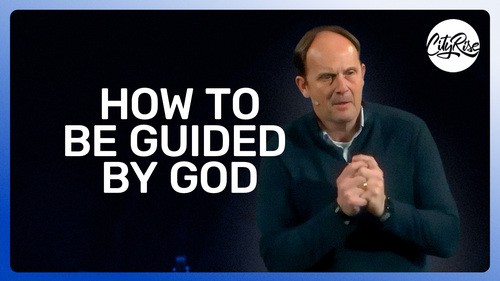
This blog is based on the message shared by Senior Pastor Dr. Roger Patterson at our CityRise Bellaire campus on Sunday, Feb. 22, 2026. Check out the full message below!
That kind of joy is exactly what we find in 1 Chronicles 29, where King David stands before all of Israel in what may be his final great public act. He is old, passing the throne to his son Solomon, and leading a national assembly to give toward the building of the great temple. He has gathered resources, brought a gift himself, invited all his leaders to give, and when they all give freely and wholeheartedly, there is great joy in the midst of it all.
That is what we want. Not obligatory giving, not reluctant generosity, but the kind of whole-hearted, joyous offering that David describes in verses 10 through 17. And understanding how to get there starts with a single shift in perspective.
Joyful Worship Begins With a View of God
Before David says anything about giving, he looks up. He fixes his eyes on who God is. The text says that when the people gave freely and with a whole heart, David the king also rejoiced, and then he blesses the Lord in the presence of the entire assembly.
"Blessed are you, O Lord, the God of Israel, our father, forever and ever. Yours, O Lord, is the greatness and the power and the glory and the victory and the majesty, for all that is in the heavens and in the earth is yours. Yours is the kingdom, O Lord, and you are exalted as head above all. Both riches and honor come from you, and you rule over all. In your hand are power and might, and in your hand it is to make great and to give strength to all." (1 Chronicles 29:10-12)
Notice the posture first. The word "blessed" here, at its Hebrew root, means to kneel and to savor. David, the king of Israel, took a knee before God in front of everybody. The most powerful person in the room lowered himself. That humble posture is the beginning of everything that follows.
The Names David Uses
David is precise in how he addresses God, and those names carry enormous weight.
He opens with "O Lord," which in the Hebrew is Yahweh, the covenant name of God. This is the name God spoke to Moses at the burning bush: I AM that I AM. It is the name of the covenant-keeping God of Abraham, Isaac, and Jacob. When Moses asked who he should say was sending him into Egypt, God answered, "Tell them I AM is sending you." That is the God David is addressing. Not a distant force or a general spiritual energy, but a God who makes promises and keeps them.
Then David calls Him "the God of Israel, our father." The word translated "God" here is Elohim, which means the supernatural being who created and rules over all the universe. There is no God bigger. He is both intensely personal and utterly supreme.
And then come the words "forever and ever," which means this is not a God who was covenant-keeping and powerful in some distant past. He is this way today. For you, right now.
What Is Your View of God?
This is the question David's prayer opens up for every one of us. Is your view of God that He is personal, that He is attentive, that He sees what is happening in your life and in your struggles and in your heart and on your journey? And do you believe He is powerful enough to actually do something about it?
Because if your view of God has shrunk, if He feels distant or indifferent or incapable, then giving becomes a transaction rather than a joy. Worship becomes performance rather than response. And life with Him becomes something endured rather than something lived.
The God David is describing is not vague or passive. He is the Lord Jesus Christ, who came from heaven to earth and embodied the exact character of the Father. In Jesus, we have His teaching, His ethic, His wisdom, and His heart laid bare. And we have the story that He went to the cross on your behalf, willingly laying down His life, paying for your sin. He loves you. He redeemed you. And when you come to Him in faith, He puts His Spirit in your heart. He is personal to you.
He is also all-powerful. He is a waymaker. He moves mountains. He parts waters. He brings rivers from the desert. He makes you lie down in green pastures and leads you beside quiet waters, restoring your soul, guiding you in paths of righteousness for His name's sake. He guides you in right paths as you walk with Him.
"Of Your Own Have We Given You"
After this sweeping view of who God is, David lands on something that reframes generosity entirely.
"But who am I, and what is my people, that we should be able thus to offer willingly? For all things come from you, and of your own have we given you." (1 Chronicles 29:14)
This single line dissolves the illusion that we are doing God a favor when we give. Everything David brought to the temple, every resource gathered by every leader in that assembly, already belonged to God. They were simply returning what was His. And somehow, in the act of returning it, there was great joy.
This is the paradox of generosity: what you give away, you actually keep. The satisfaction David's people experienced was not despite the giving. It was because of it.
David goes further: "We are strangers before you, and sojourners, as all our fathers were. Our days on the earth are like a shadow, and there is no abiding." (1 Chronicles 29:15) This is not pessimism. It is clarity. When you understand that your days are limited and that nothing you hold in your hands is ultimately yours to keep, giving becomes less of a sacrifice and more of a privilege.
Tested Hearts and Joyful Offerings
David closes this section with a statement about the interior life of giving: "I know, my God, that you test the heart and have pleasure in uprightness. In the uprightness of my heart I have freely offered all these things, and now I have seen your people, who are present here, offering freely and joyously to you." (1 Chronicles 29:17)
God is not moved primarily by the size of what is given. He is moved by what is happening in the heart of the giver. David knew that God tests the heart, and so he gave with uprightness, with sincerity, with freedom. And when he looked around and saw his people giving the same way, freely and joyously, it deepened his joy rather than diminishing it.
Joyful generosity is contagious. It is also evidence of something happening at a deeper level, where a person has genuinely encountered the God who owns everything and chooses to give anyway, out of love.
A Posture Worth Taking
The posture David modeled in 1 Chronicles 29 is available to any of us. It begins not with a bigger budget or a bolder resolution, but with lifting our eyes to see God as He is: covenant-keeping, all-powerful, personal, eternal, and worthy of every resource we hold in trust.
When that view of God is clear, giving stops being a burden and becomes what it was always meant to be: an act of worship, an expression of trust, and a source of deep and lasting joy.
If you are stuck, if God feels distant or if generosity feels more like obligation than overflow, the invitation is the same as it was for David. Lift your head. See who He is. And let that view change everything else.
This blog is based on the message shared by Senior Pastor Dr. Roger Patterson at our CityRise Bellaire campus on Sunday, Feb. 22, 2026. Check out the full message below!
Recent
Archive
2026
January
40 Days of Faith: Day 1A Note from Pastor Roger40 Days of Faith: Day 2Three Ways Satan Tries to Attack You40 Days of Faith: Day 340 Days of Faith: Day 440 Days of Faith: Day 5Because You Give: Year in ReviewFaith That Offers Its Best: Lessons From Cain and Abel40 Days of Faith: Day 640 Days of Faith: Day 740 Days of Faith: Day 8God-Sized DreamsA Note from Pastor Roger40 Days of Faith: Day 940 Days of Faith: Day 1040 Days of Faith: Day 11Because You Give: Christmas Eve Recap40 Days of Faith: Day 12Walking With God: The Life and Legacy of Enoch40 Days of Faith: Day 13Pathways Create: West U Baptist Children's RenovationPathways Create: Missouri City Parking LotPathways Create: CityRise BellairePathways Create: West U Baptist PlaygroundsPathways Create: West U Baptist GalleryPathways Create: Missouri City Building RenovationPathways Create: West U Baptist SanctuaryPathways Create: West U Baptist Choir SuitePathways Create: West U Baptist Teaching TheaterPathways Create: West U Baptist Fowler ChapelPathways Create: West U Baptist Access Ramp and Front PlaygroundPathways Extend: Neighbors & NationsPathways Honor: Centennial Gift40 Days of Faith: Day 14Firstfruits GivingHow to Walk in Faith40 Days of Faith: Day 15Standing on Their ShouldersA Note from Pastor RogerPaying it Forward40 Days of Faith: Day 1640 Days of Faith: Day 1740 Days of Faith: Day 18Because You Give: Discipleship UThe Heart Behind GivingCommunity and GenerosityTest Me in ThisMultiplying GenerosityInvesting in What is Next40 Days of Faith: Day 19The Power of a Meal40 Days of Faith: Day 2040 Days of Faith: Day 21A Note from Pastor RogerHow to Have Faith That is Certain40 Days of Faith: Day 2240 Days of Faith: Day 23January 25 Services: Online Only & Pathways Kicks Off40 Days of Faith: Day 24How to Watch CityRise Online This MorningBecause You Give: Kids Ministry40 Days of Faith: Day 25The Pathway of Legacy40 Days of Faith: Day 2640 Days of Faith: Day 2740 Days of Faith: Day 28A Note from Pastor Roger40 Days of Faith: Day 2940 Days of Faith: Day 3040 Days of Faith: Day 31
February
40 Days of Faith: Day 3240 Days of Faith: Day 33The Pathway of Planning40 Days of Faith: Day 3440 Days of Faith: Day 35The Right Way to PlanA Note from Pastor Roger40 Days of Faith: Day 3640 Days of Faith: Day 3740 Days of Faith: Day 38Because You Give: Kenya Mission Trip40 Days of Faith: Day 3940 Days of Faith: Day 40A Note from Pastor RogerHow to Move From Planning to ActionBecause You Give: Student MinistryThe Pathway of Authentic LeadershipA Note from Pastor RogerBecause You Give: Women's RetreatThe Pathway of Joyful WorshipHow to Be Guided by GodA Note from Pastor Roger
No Comments